
The COVID-19 pandemic continues to progress unabated in many parts of the world. An effective antiviral drug against SARS-CoV-2, suitable for oral administration following high-risk exposure, would provide significant benefits in controlling the COVID-19 pandemic. Here, we demonstrate that the oral nucleoside analog MK-4482 can inhibit SARS-CoV-2 replication in a Syrian hamster model. In a high-risk exposure model, inhibition of SARS-CoV-2 replication was observed when MK-4482 treatment was initiated either 12 hours before or 12 hours after infection. These data support the potential utility of MK-4482 in controlling human SARS-CoV-2 infection following high-risk exposure and in treating patients with COVID-19.
The COVID-19 pandemic has had a widespread global impact, and its pathogen, SARS-CoV-2, continues to spread. Effective interventions are needed to end this pandemic. Monotherapies and combination therapies with monoclonal antibodies have been granted emergency use authorization, and more treatments are under development. Additionally, several vaccine platforms have shown promise, with two vaccines demonstrating about 95% efficacy in protecting against COVID-19. However, these interventions target the original SARS-CoV-2 virus that emerged in 2019. Recently, the SARS-CoV-2 variants B.1.1.7 and B.1.351 detected in the UK and South Africa, respectively, have raised concerns due to their reported increased transmissibility and extensive mutations in the spike protein. Here, we show that B.1.1.7 is resistant to the neutralizing effects of most monoclonal antibodies targeting the N-terminal domain of the spike protein and is relatively resistant to a few monoclonal antibodies targeting the receptor-binding domain. However, it does not show increased resistance to plasma from recovered COVID-19 patients or sera from individuals vaccinated against SARS-CoV-2. The B.1.351 variant is not only resistant to the neutralizing activity of most monoclonal antibodies targeting the N-terminal domain, but it is also resistant to multiple individual monoclonal antibodies targeting the receptor-binding motif in the receptor-binding domain, primarily due to the E484K mutation. Additionally, compared to the wild-type SARS-CoV-2, B.1.351 shows significantly higher resistance to neutralization by convalescent plasma (9.4-fold) and sera from vaccinated individuals (10.3 to 12.4-fold). B.1.351 and emerging variants with similar mutations in the spike protein present new challenges for monoclonal antibody therapies and threaten the protective efficacy of current vaccines.
Epidemiological studies on COVID-19 patients indicate a male bias in pulmonary disease outcomes. To experimentally validate these epidemiological findings, we conducted animal studies by infecting male and female Syrian hamsters with SARS-CoV-2. Notably, male hamsters exhibited significant symptoms such as weight loss, lethargy, piloerection, hunching, and abdominal breathing, along with severe pneumonia, pulmonary edema, consolidation, and fibrosis, with high viral titers detected in nasal washes. In contrast, female hamsters had much lower viral titers, exhibited milder symptoms, and showed relatively less severe lung pathology. The marked differences in susceptibility to SARS-CoV-2 and severity of pulmonary pathogenesis between male and female hamsters provide experimental evidence that the severity of SARS-CoV-2 infection and COVID-19 is associated with sex.
Syrian hamsters can sustain infection with SARS-CoV-2. Clinical signs such as labored breathing, weight loss, and progression from the initial exudative phase of diffuse alveolar damage with extensive apoptosis to a later proliferative phase involving tissue repair were observed. These phases were associated with airway and intestinal involvement, expression of viral nucleocapsid protein, high viral loads in the lungs, and histopathological changes in the spleen. The most pronounced clinical symptoms during the first week of viral attack were linked to lymphoid atrophy associated with significant chemokine/cytokine activation. Average lung viral titers ranged between 10^5 and 10^7 TCID50/g. Challenged index hamsters consistently infected naive contact hamsters housed in the same cage, resulting in similar pathology but without weight loss. All infected hamsters recovered by 14 days post-challenge, developing mean serum neutralizing antibody titers of ≥1:427. Passive immunization with early convalescent-phase serum significantly reduced lung viral loads but did not significantly mitigate lung pathology. No consistent nonsynonymous adaptive mutations were detected in the virus isolated from infected hamsters.



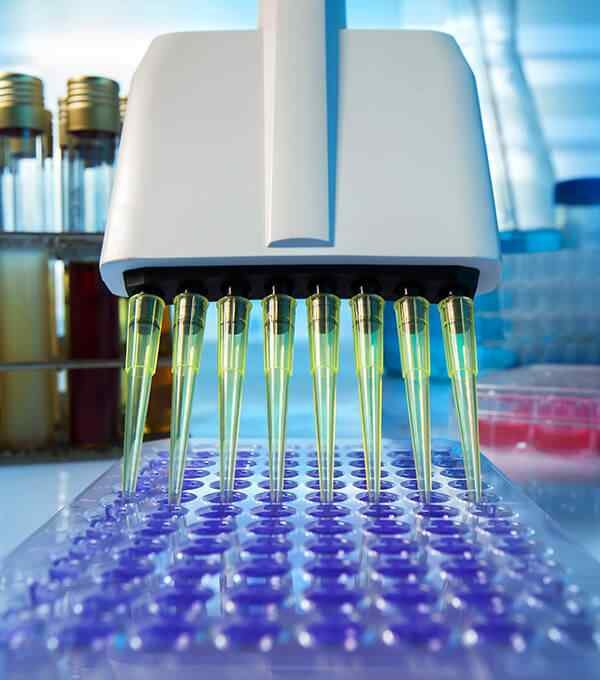
Severe Acute Respiratory Syndrome Coronavirus 2 (SARS-CoV-2), the causative agent of Coronavirus Disease 2019 (COVID-19), has emerged as a public health emergency of international concern. Angiotensin-converting enzyme 2 (ACE2) serves as the cellular entry receptor for Severe Acute Respiratory Syndrome Coronavirus (SARS-CoV). Here, we infected transgenic mice expressing human ACE2 (referred to as hACE2 mice) with SARS-CoV-2 and studied the pathogenicity of the virus. We observed weight loss and viral replication in the lungs of hACE2 mice infected with SARS-CoV-2. The typical histopathology was interstitial pneumonia, with a significant infiltration of macrophages and lymphocytes into the alveolar interstitium and the accumulation of macrophages in the alveolar cavities. Viral antigens were detected in bronchial epithelial cells, macrophages, and alveolar epithelial cells. These phenomena were not observed in wild-type mice infected with SARS-CoV-2. Notably, we confirmed the pathogenicity of SARS-CoV-2 in hACE2 mice. This SARS-CoV-2-infected mouse model is of significant value for evaluating antiviral agents and vaccines, as well as for understanding the pathogenesis of COVID-19.


Please install and activate Contact Form 7 plugin.
Please install and activate Contact Form 7 plugin.
© 2024 Decouvor Inc All rights reserved